


Blog
How to Choose the Best Tile & Marble work for Your Home

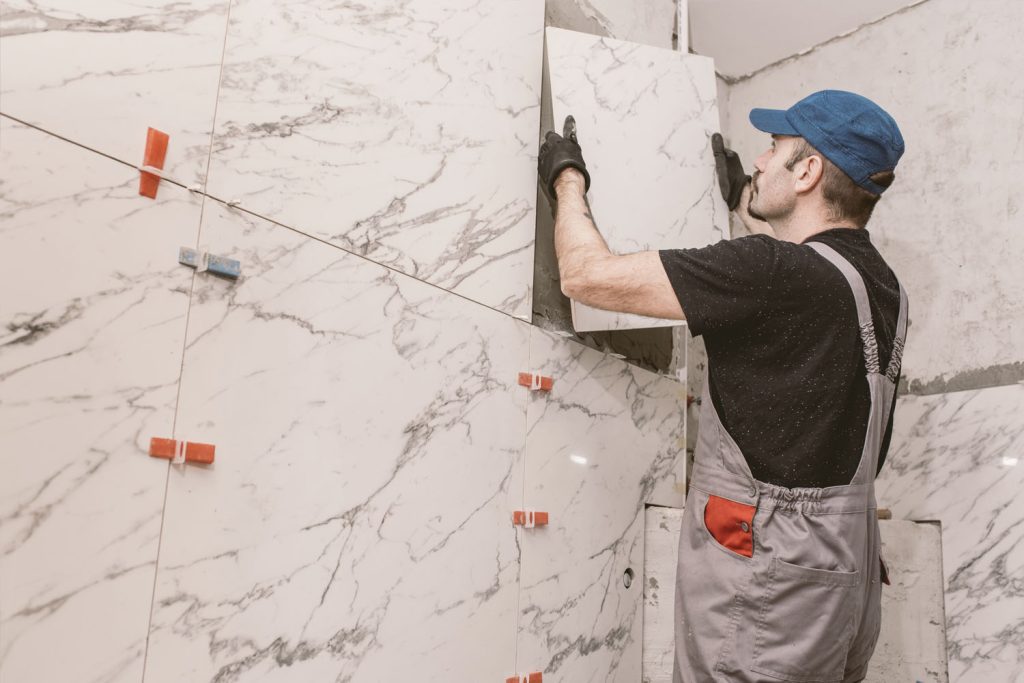
Tile & marble work refers to the selection, cutting, fitting, and finishing of tile or marble surfaces in residential spaces. It includes flooring, wall cladding, stair finishes, kitchen backsplashes, shower walls, vanity tops, and feature areas.
What Is Tile & Marble Work?
Natural stone also needs proper care, and some marble surfaces benefit from sealing depending on the application.
Why Choosing the Right Tile & Marble Work Is Important
The right tile & marble work improves a home in more than one way. It affects durability, visual appeal, ease of cleaning, and even resale value. A smart choice can help surfaces stay attractive for years instead of looking tired after a short time.
It also protects the budget. Good materials and skilled installation reduce the risk of cracks, stains, weak edges, and early replacement. Buyers often notice surface quality quickly, especially in kitchens, bathrooms, and living areas where finishes are always in view.
Types of Tile & Marble Work for Homes
Many families prefer durable floor tiles for home use because they handle daily foot traffic and are easier to maintain.
A smart bathroom tile design can also make a compact bathroom feel brighter and more open.
Kitchen Tile Work
Kitchen flooring and backsplashes should resist stains, grease, and regular wiping. A practical kitchen wall tile design helps keep the area clean while adding a polished look.
Stair Tile and Marble Work
Stairs need accurate edge finishing, consistent levels, and enough slip resistance. A beautiful stair finish means little if it is not safe.
Marble Flooring and Feature Areas
Luxury spaces usually benefit from a more refined tile and marble work plan, where feature walls, flooring, and trim details feel coordinated instead of random.
Marble is often selected for formal spaces, entrance areas, premium living rooms, and statement walls. A strong marble flooring design can bring depth, elegance, and a custom look that feels timeless.
Bathrooms need grip and moisture performance. Kitchens need surfaces that handle stains and regular cleaning. Outdoor areas need texture and weather resistance.
This is why a single material should not automatically be used everywhere. A smart plan looks at how each room is actually used.
Material Quality
Good tile & marble work starts with material quality. Tiles should be checked for thickness, consistent size, edge finish, and surface strength. Marble should be reviewed for porosity, finish type, shade variation, and sealing needs.
Porcelain remains a reliable option for many homes because of its very low water absorption, while natural stone needs the right cleaning products and regular care to protect its finish.
Color and Pattern Selection
Color changes the mood of a room. Light shades can make spaces feel larger. Mid-tones often hide dust better. Bold veining can look premium, but it works best when balanced with simpler furniture and wall colors.
A good starting point is choosing a floor tile design for home use that works across the main living areas. More decorative patterns can then be used in smaller spaces like powder rooms, shower niches, or feature walls.
Budget and Cost
The material price is only part of the full cost. Homeowners also need to account for adhesive, grout, cutting, skirting, polishing, sealing, labor, and future maintenance.
A practical budget does not always mean choosing the cheapest option. It means spending where performance matters most and avoiding unnecessary upgrades in low-impact areas.
Maintenance Requirements
Some finishes are very easy to live with. Others need more careful cleaning and occasional sealing. For most family homes, low-maintenance materials save time and reduce long-term stress.
Natural Stone Institute guidance also notes that the wrong cleaners, especially harsh or acidic ones, can damage natural stone surfaces over time.
Tile & Marble Work vs. Marble Work—Which One Is Better for Your Home?
There is no single winner. Tile & marble work decisions depend on where the material will be used and how much maintenance the household can handle.
Tile usually costs less, offers more design flexibility, and works well in family spaces. Many porcelain collections now copy the look of marble very closely while offering easier maintenance. Marble brings natural depth, real veining, and a premium finish that manufactured products still try to imitate.
For many homes, the best answer is a blend. Practical rooms can use porcelain or ceramic, while statement areas can use natural marble for visual impact.
Best Tile & Marble Work Ideas for Different Areas of the Home
In living rooms, large-format tiles in warm whites, soft beige, or gentle grey create a calm and open look. Bedrooms often suit softer visuals and quieter tones. In kitchens, stain-resistant flooring paired with a clean backsplash is usually the safest path.
Bathrooms work well with layered finishes. A textured floor improves safety, while a bright wall tile can open up the room visually. In formal spaces, a feature panel or premium floor can elevate the entire house without overwhelming it.
Marble-look porcelain is also popular because it gives the luxury effect of stone with easier upkeep, and large-format options continue to grow in demand for floors, walls, counters, and seamless indoor-outdoor transitions.
How to Choose the Right Contractor for Tile & Marble Work
Even the best material can look poor if the installation is rushed. For premium stone finishes, trained specialists offering marble installation services are usually the safer option.
Reviews, past projects, and site discipline matter. So does communication. A contractor who explains the process clearly is often more dependable than one who only promises a fast result.
Common Mistakes to Avoid
Poor decisions often begin with chasing the lowest price. Cheap products can look attractive at first, but they may wear faster, stain more easily, or create a disappointing final result.
Another mistake is ignoring slip resistance. Glossy surfaces may look beautiful in a showroom, but they may not be the best choice for bathrooms, kitchens, or outdoor areas. Weak installation is another major problem. Even premium tile & marble work can fail when surfaces are uneven, drainage is poor, or joints are inconsistent.
Color mismatch is also common. A sample may look perfect under showroom lights but very different at home. That is why full-size samples or slab views are worth the effort.
Latest Tile & Marble Work Trends for Modern Homes
The current design direction for tile & marble work is moving toward larger formats, marble-look porcelain, softer neutral shades, and matte or textured finishes. Industry product lines and trend libraries also show strong interest in coordinated indoor-outdoor surfaces and authentic stone visuals that are easier to maintain than natural marble.
That shift makes sense. Homeowners want a finish that looks upscale but still works in busy daily life. Marble-look porcelain answers that demand well, especially in kitchens, bathrooms, and open-plan homes.
Final Tips for Making the Best Choice
The best tile & marble work is a balance of beauty, performance, and budget. Homeowners should start with room function first, then compare materials that fit that purpose. It also helps to review larger samples instead of making a decision from a small display piece.
Professional installation should never be treated as an optional extra. Good workmanship protects the material investment and improves the final appearance in every room.
Conclusion
Choosing the right tile & marble work for a home becomes much easier when the decision is based on function, style, maintenance, and long-term value. A well-planned finish does more than improve appearance. It helps the home feel complete, practical, and durable.
FAQs
What is the best material for high-traffic areas in a home?
Porcelain is often the safest choice because it is dense, durable, and easier to maintain in busy spaces.
Is marble better than tile for home flooring?
Marble offers a premium natural look, while tile is usually easier to maintain and more budget-friendly. The better option depends on the room and the homeowner’s lifestyle.
Which finish works best for bathrooms?
A matte or textured finish is usually the better option for bathroom floors because it offers more grip under wet conditions.
How can small rooms look bigger with tile?
Large-format tiles, lighter shades, and fewer grout lines can help a small room feel more open and less crowded.
Why is professional installation so important?
Proper installation helps avoid uneven surfaces, poor drainage, weak corners, and premature damage. It also improves the overall finish.