
Blog
The Complete Guide to Living Room Tile Work 2026

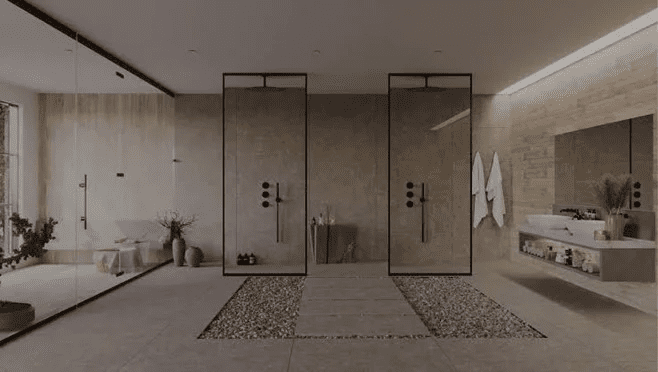
With the right selection, tiles can serve as a gracious finishing touch that will change the entire look of your living room. Living room tile work is an essential component of your interior design due to its ability to create a relaxing, warm environment and also display the area more prominently.
More than just making the space look good, having the right kind of tiles is also vital for durability, comfort, and desirability over time.
This guide provides practical advice on how businesses, eCommerce websites, and design services plan and execute remarkable living room tile work. This industry guide will educate readers on tile materials, styles people love in 2026, and maintenance tips so customers can make informed decisions.
What the Tile Work in Your Living Room Says
Tiles play a crucial role in deciding the style and functionality of any living room. Tile work for the living room tile work improves the level of comfort, adds an elegant look and visual appeal, and increases property value.
In commercial spaces and at service websites that display home improvement services, good quality tile installation conveys professionalism and high attention to detail.
Today’s trends emphasize natural textures, earthy colors, and tactile finishes. In contemporary interiors, flooring is frequently an area where a statement may be made, and tile can fill a serviceable and decorative function. Living room tile work is an essential aspect that should never be overlooked.
How to Pick the Right Tiles for Your Living Room
Tile Material
The foundation of good living room tile work is choosing the right material. Ceramic, porcelain, marble, and vinyl are popular choices. That’s why porcelain is so popular for high-traffic living areas—it is durable and stain-resistant. On the flipside, marble tiles can bring a lavish sense of elegance and classic style that will always be in fashion, perfect for expensive living room tile room styles.
Durability & Maintenance
Tiles have to take the daily rough and tough. Tiles for the living room should be scratch-resistant, easy to maintain, and retain their finish over time. Porcelain and ceramic tiles tend to rank the highest in durability, and natural stone may require periodic sealing to keep it looking its best.
Color & Style
Finding matching tiles as per the design theme of the room is important. In 2026, neutral tones, soft pastels, and earthy hues will reign supreme because they pair well with furniture and décor. They help demonstrate how color combinations lead to cohesive and inviting environments.
Size & Shape
Large-format tiles give a seamless, wide-open appearance and are great at making small living rooms feel bigger. Smaller tiles or geometric patterns are visually appealing and great for accent spaces. Both types can elevate living room tile work depending on preference.
Budget Considerations
The secret is to balance cost, quality, and future value. Designer tiles and premium marble add opulence but can drive up installation costs. Tile service providers should help clients select tiles that suit their budget and style.
Popular Living Room Tile Work Styles
Classic Tiles
Classic tiles are timeless and often come in stone or neutral colors. This style suits all designs and remains relevant through trends.
Modern & Minimalist Tiles
Minimalist designs are based on large-format porcelain or ceramic slabs. Smooth finishes and clean aesthetics define modern living spaces.
Patterned & Decorative Tiles
Herringbone, chevron, and checkerboard patterns add visual interest while maintaining sophistication.
Luxury Tiles
Marble, travertine, and high-end designer tiles provide a premium finish and are ideal for high-end interiors.
Planning Your Tile Work in the Living Room
Living room tile work requires proper planning. Start by measuring the space accurately and calculating tile quantity while accounting for waste.
Choose grout colors that complement or contrast with tiles. Arrange furniture and layout to maintain visual harmony. Proper planning ensures long-term performance.
DIY vs Professional Installation
Many homeowners prefer DIY installation for simple layouts, but mistakes can affect durability and appearance.
Professional installation ensures accuracy, proper spacing, and long-lasting results. Businesses should promote professional services for complex designs and premium finishes.
How to Maintain Living Room Tiles
Maintenance is key to preserving tile quality. Regular sweeping prevents dirt buildup, and gentle mopping keeps tiles clean without damage.
Natural stone tiles should be sealed periodically. Avoid harsh cleaners and dragging heavy furniture to prevent scratches.
Top 5 Most Popular Living Room Tile Trends in 2026
Living room tiles in 2026 focus on earthy tones, tactile textures, and large-format designs. Tiles are no longer just functional but also act as design highlights.
Mixed materials and layered textures add depth and personality to interiors.
Conclusion
Selecting the right tiles is an important aspect of any interior project. Living room tile work that balances style, durability, and budget creates high-quality results.
With the right materials, patterns, and professional installation, homeowners can achieve a practical and visually appealing living space.
FAQs
What kind of tile is best for living room floors?
Porcelain and ceramic tiles work best because they are durable and easy to maintain.
Does large tile make a room look bigger?
Yes, fewer grout lines create a seamless and more spacious appearance.
Can patterned tiles be used in a modern living room?
Yes, patterns add character if they match the overall décor.
How often should tiles be cleaned?
Sweep regularly and mop weekly with gentle cleaners.
Is it possible to install tiles yourself?
Yes, but professional installation is recommended for better results.