


Blog
Why Professional MEP & AC Services Matter Today

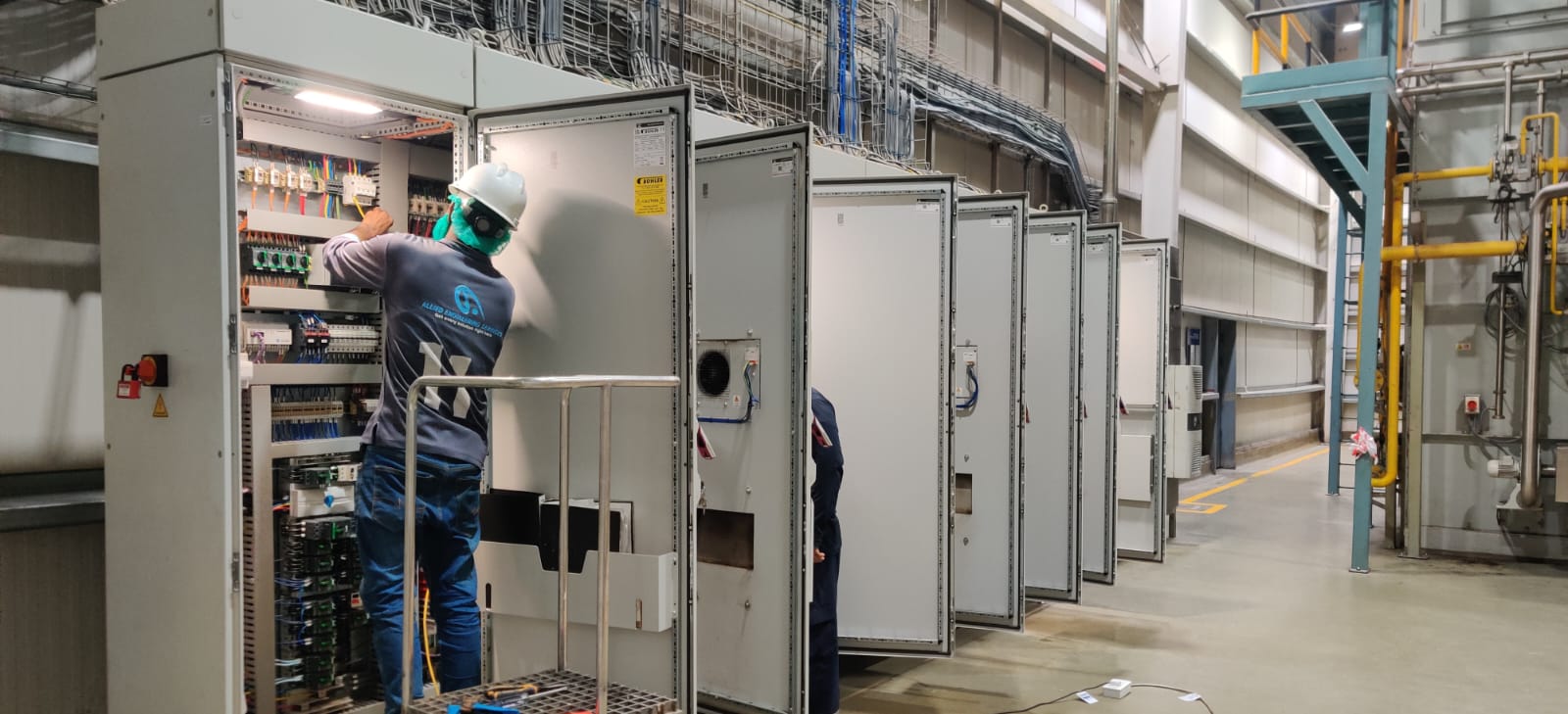
Modern buildings rely on many systems working together behind the scenes. MEP & AC Services support the daily performance of offices, retail units, warehouses, residential towers, and mixed-use properties.
When these systems are planned and maintained the right way, a building feels comfortable, runs more efficiently, and stays easier to manage over time.
That is why MEP & AC services matter far more than many property owners first assume. They do not only affect cooling or basic repairs. They shape safety, indoor comfort, energy use, operating costs, and even tenant satisfaction.
In a market where building performance matters more every year, professional support is no longer optional. It is part of smart asset management.
What These Building Systems Include
At the core, MEP stands for mechanical, electrical, and plumbing. That covers systems such as ventilation, power distribution, wiring, lighting, water supply, drainage, pumps, and related controls. AC support focuses on cooling, airflow, filtration, and indoor climate performance.
Professional MEP & AC Services bring all of these systems into one coordinated plan. That coordination matters because each part affects the others. Cooling systems depend on electrical loads.
Ventilation affects air quality and comfort. Plumbing design supports hygiene, pressure stability, and safe day-to-day use. When the full setup is treated as one connected system, the building performs better.
Why Modern Buildings Need Professional Support
Professional MEP & AC services help buildings avoid the common problems that come from rushed design, poor installation, and delayed maintenance.
The first benefit is accuracy. Correct equipment sizing, balanced airflow, clean service routing, and proper load planning all reduce waste before the building even starts operating.
That matters because the building sector still carries a major energy burden. The International Energy Agency says buildings account for around 30% of global energy demand, which makes efficiency a serious business issue rather than a nice extra.
The third reason is reliability. Buildings with weak design coordination often face repeat breakdowns, uneven cooling, poor drainage, overloaded electrical circuits, and service complaints that never fully stop. Skilled providers reduce these issues by treating the building as a whole rather than fixing isolated symptoms.
How Professional Support Improves Efficiency and Comfort
One of the clearest benefits of MEP & AC Services is stronger energy efficiency. Better controls, cleaner ductwork, correct zoning, tuned equipment, and timely inspections all help reduce unnecessary consumption.
This is especially important in cooling-heavy markets where utility costs can rise quickly when systems are not running at peak condition.
Cooling performance is a major cost driver. HVAC systems account for about 39% of the energy used in U.S. commercial buildings, which shows how system quality directly impacts monthly operating costs.
Professional MEP & AC services also support better indoor comfort. Occupants notice the difference when temperatures stay stable, airflow feels balanced, and indoor spaces do not feel stuffy or uneven.
Indoor conditions are not a minor issue either. People spend about 90% of their time indoors, which makes ventilation, filtration, and airflow quality a real concern for health and comfort.
Safety is another key benefit. Well-managed electrical systems reduce risk. Proper plumbing design limits leakage and pressure problems. Strong ventilation planning supports healthier indoor spaces.
The Role of These Systems in Modern Buildings
Today’s properties are expected to do more than simply stay functional. Owners want smarter operations, better control, lower waste, and a more dependable user experience.
That is where MEP & AC Services play a bigger role than ever.
In modern buildings, these systems support automation, monitoring, and performance tracking. Smart controls can improve cooling schedules, reduce unnecessary use, and make maintenance more proactive.
But none of that works well if the base infrastructure is weak. Professional MEP & AC services provide the foundation for smart performance, energy savings, and long-term reliability.
This is also why building maintenance services are becoming more strategic. Instead of waiting for a failure, owners now focus more on prevention, system tuning, and planned upgrades.
Common Services Businesses Usually Need
Most commercial properties need a mix of technical support over the life of the building. Professional MEP & AC services often include:
HVAC installation
System balancing
Ventilation checks
Electrical upgrades
Plumbing planning
Repair work
Preventive inspections
For businesses, this kind of support matters because comfort issues rarely stay small. One airflow imbalance can affect staff productivity. One hidden leak can damage finishes and create repair costs. One overloaded circuit can interrupt operations.
A proactive service model prevents these issues from becoming expensive surprises.
How to Choose the Right Provider
Choosing the right team is just as important as choosing the right equipment. Strong MEP & AC services usually come from providers with real project experience, certified technicians, clear processes, and a proven understanding of local building conditions.
The best providers match the solution to the building type, usage pattern, and performance goals.
Warning Signs a Building Needs Expert Attention
Many buildings show clear warning signs before a major failure happens, including:
Rising utility bills
Weak airflow
Uneven cooling
Water leaks
Frequent electrical trips
Stale indoor air
Recurring complaints
These issues usually mean the property needs professional MEP & AC services rather than another temporary patch.
In many cases, the root cause is a mix of aging equipment, poor balancing, delayed maintenance, or weak coordination between systems.
The Value of Regular Maintenance
This is where MEP services, AC services, and routine inspections create real value. Maintenance is often seen as a cost, but in practice, it usually reduces larger costs later.
Clean components, stable controls, timely repairs, and periodic testing help prevent bigger failures that can damage business continuity.
Consistent maintenance also supports indoor comfort. It keeps ventilation cleaner, reduces strain on cooling equipment, and makes it easier to catch small issues early.
For modern buildings, that kind of stability is a competitive advantage.
Final Thoughts
Professional MEP & AC services are essential because modern buildings are only as strong as the systems hidden inside them.
When those systems are designed, installed, and maintained by skilled specialists, the result is better comfort, safer operation, lower waste, and stronger long-term value.
For businesses that want dependable performance, fewer disruptions, and a better experience for occupants, MEP & AC Services remain one of the smartest investments they can make.
FAQs
What do MEP systems include?
They include mechanical, electrical, and plumbing systems such as ventilation, power, lighting, water supply, drainage, and related controls that help a building run safely and efficiently.
Why are cooling systems so important in commercial buildings?
They support temperature control, airflow, comfort, and indoor air quality. In busy spaces, poor cooling performance can quickly affect staff, customers, and equipment.
How do these services help reduce energy bills?
They improve system sizing, controls, airflow balance, maintenance timing, and equipment efficiency, which lowers waste and helps the building use less energy.
What are the signs of poor system coordination?
Common signs include uneven cooling, repeated electrical problems, water leakage, stale air, rising utility costs, and recurring service complaints.
How often should a building be inspected?
That depends on usage, occupancy, and equipment age, but most properties benefit from scheduled inspections throughout the year rather than waiting for breakdowns.