


Blog
Carpentry Work Guide 2026: Tools, Skills & Projects

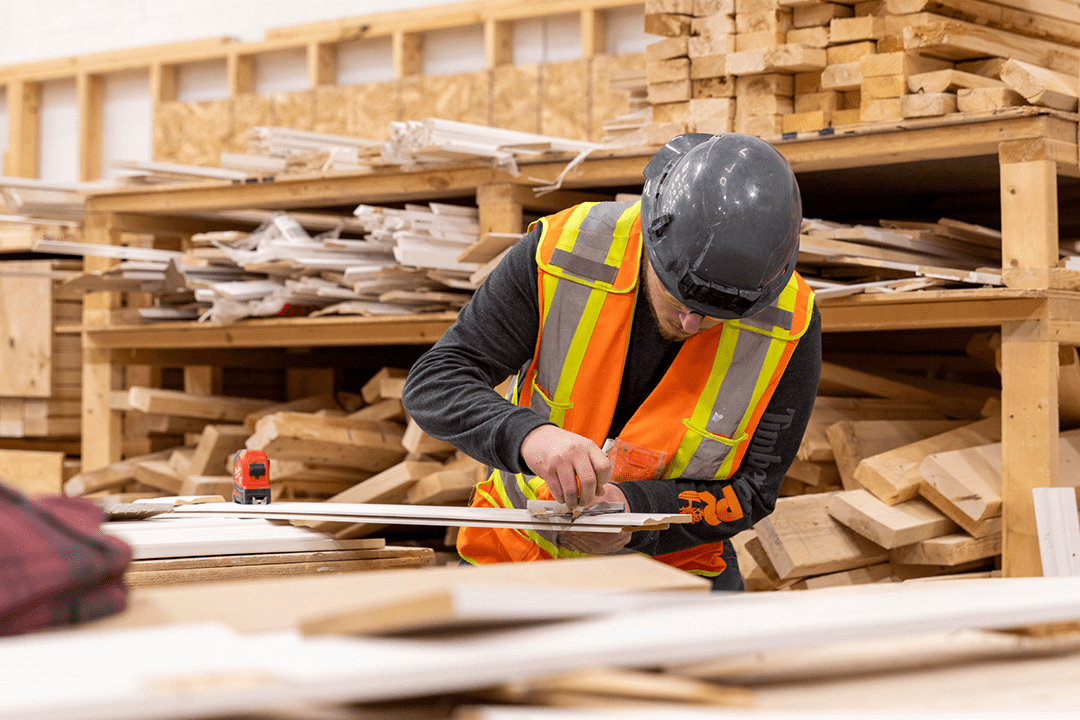
When you walk into a modern home, the beautiful details catch your eye right away. Cabinets are sleek, shelves are made to order, floors are beautiful, and furniture is both useful and beautiful.
All of these things show that carpentry work is a valuable trade. It will be one of the best jobs in the world by 2026.
Carpentry work has come a long way since just cutting wood and putting things together. Now it includes more than that; it’s a part of life and how we interact with our spaces.
For example, we have custom kitchens made just for us, and intricate chairs made just for us by craftspeople.
I’ve seen new carpentry work pick up tools for the first time and make amazing things, and I’ve also worked with professional carpenters who turned carpentry work into a successful business.
Carpentry work is useful in many ways, and it can also be a lot of fun!
This guide is for everyone, from people who are just starting out in woodworking and want to learn more to homeowners who want to do projects or business owners who want to start carpentry work businesses.
What Is Carpentry?
Carpentry work is the process of cutting, shaping, and putting together pieces of wood to make structures or designs for buildings or decorating projects. It is one of the most important parts of building and decorating.
Carpentry work are in charge of both the structural and decorative parts of a building, like the floors, roofs, and beams. They also often do specific finishing work, like making cabinets or furniture pieces.
Learn about the two main groups. Rough carpentry work includes putting up walls and installing support systems. Finish carpentry work includes more detailed work like moldings, cabinets, and decorative finishes.
You can choose between heavy and fine construction if you know the difference between the two.
Learn Everything You Can About Carpentry
There are many different kinds of work that fall under the umbrella of carpentry. For the best results, each needs its own set of skills and knowledge.
Carpentry for Houses
This type of carpentry is very common, and most new carpentry work start here. When you work on homes, you might put in doors, windows, and floors, or you might build simple wooden things like shelves.
Business Carpentry work Services
These companies focus on big jobs like building offices, stores, and warehouses on time and without going over budget. They need to be accurate, fast, and stick to deadlines without missing them or costing more money.
Final Woodworking
This is where creativity meets accuracy: trims, moldings, and other decorative details that finish off a room’s look.
Making Cabinets
More and more homeowners are interested in cabinet-making services because they want custom kitchens and storage solutions that are made just for them.
In recent years, there has been a lot of demand for this type of work because homeowners want designs made just for them.
Carpentry for Making Furniture
This kind of carpentry work includes making tables, chairs, beds, and closets. Small businesses and online sellers like it because it combines usefulness with good looks.
There are specific opportunities and niches in each category that could help you learn for fun or to get ahead in your career.
Basic Woodworking Skills for Beginners
You can’t do good work without the right tools. Many new people have trouble not because they don’t know how to do something, but because they don’t have the right tools.
Carpentry work start learning this skill when they are young by using simple hand tools. It may seem easy to use a measuring tape, hammer, chisel, and saw by hand, but learning how to use these tools well is very important.
Power tools become more and more important to your success as you learn more: every purchase comes with a set of tools, including a drill press, a circular saw, a jigsaw, and a sander. These tools make it easier, faster, and cheaper to get things done.
Don’t forget about safety. Gloves, safety glasses, and a face mask are all important things to have on hand in case of an accident. Even experienced professionals know how important it is to stay safe in order to have a good time.
Both beginners and professionals need tool kits. Beginners don’t have to buy a lot of expensive gear all at once. Start with something simple and then upgrade as you get better. Professionals, on the other hand, buy tools that last longer and are more accurate.
The Basics of Carpentry Work for Beginners
It’s not enough to just own tools; you should also know how to use them correctly. In carpentry work, marking and measuring accurately is very important. Any mistake in measurements could ruin a project.
How to Cut
Before you start any cutting projects, you need to learn about the different kinds of cuts. You need to practice cutting in straight, angled, or curved lines. With each cut you make, you will get better.
Ways to Link Finishing Tasks Successfully
There are many ways to successfully put tasks together, including fingers, screws, and wood joints. Finishing and sanding are important parts of any project that is going to be successful once all the work is done. Visitors will be amazed by how hard you worked to make everything look nice and smooth.
How to Start Carpentry Work:
It can be scary to start, but if you break it down into smaller steps, it will be much easier.
Choose a Simple Task
Start small by making something simple, like a shelf or stool, and don’t rush to get it perfect right away.
Get All the Supplies You Need
Use simple tools and don’t stress yourself out too much when you start your first project. For the best results, keep things simple.
Make an Action Plan and Stick to It
Write down your idea and check all the measurements twice to avoid making expensive mistakes that will cost you time and money.
Cut and Put Together
Stick to your plan and make sure it’s right by taking your time and being careful.
Finish and Polish Your Project
After you sand down the surface, paint or polish can help you make your idea a reality. This step finishes your vision.
If you follow these steps, you will gain confidence and build a strong base for yourself and others.
Before You Start Working with Wood, Here Are Some Things to Keep in Mind
Even skilled carpenters make mistakes, but beginners can learn how to avoid some of the most common ones. Wrong measurements, using the wrong tools, not wearing safety gear, or picking the wrong materials are sure ways to make things worse. You’ll save time, money, and effort by figuring out and fixing mistakes early.
There Are Many Benefits to Hiring a Professional Carpenter
You might enjoy learning through DIY carpentry projects, but professional carpentry work is more valuable. Professionals only use materials that have been shown to be of high quality and methods that have been shown to work.
Designs Made Just for You
Get solutions that are made just for you and your needs. Well-made and beautiful woodwork adds a lot of value to your home. When you have a big or complicated project, it can often be cheaper to get help from someone else.
Do-It-Yourself vs. Professional Carpentry
A lot of people wonder, “Should I do it myself or get help from someone else?” When to do it yourself: limited experience, small jobs for learning, and budget constraints. When to hire professional services: complicated designs or tasks that need to be done quickly with high-quality finishes.
Comparing Prices
Doing the work yourself may seem cheaper at first, but mistakes can quickly add up to big costs.
.
FAQ
What tools do you need to do carpentry work?
Hammers, measuring tapes, saws, drills, and sanders are all must-haves for a toolbox.
Is doing your own carpentry work better than hiring someone else?
It’s great to do things yourself and learn, but you might need professional help for bigger, better, and longer-lasting projects.
How long will it take me to learn how to work with wood?
You can learn carpentry work in just a few weeks, but it takes months or years of hard work to really master it.
What kind of wood should new woodturners use for their project?
For beginners, pine and softwoods are great choices because they are easier to cut and shape.
Can carpenters make a living doing this work?
Yes, a lot of carpenters make a living making furniture or working on custom projects.