Blog
Safety & Sound Electrical Work for Smarter Living

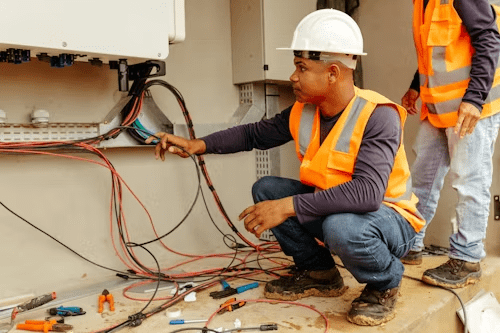
When it comes to electric work, most people simply imagine changing a damaged switch or wiring an airplane. It encompasses much more in real life.
They include wiring, panel upgrades, fault finding, repairs, safety checks, lighting systems, and power solutions that keep homes and businesses running safely day after day.
Based on what we know about actual buildings, quality Electrical Work serves two masters: it provides protection to people and a performance boost for the environment.
A healthy electrical system supports comfort, reduces risk, and creates space for modern lifestyles such as smart devices, energy-saving lighting, and EV charging.
And from Dubai and the broader UAE all the way until 2025–2026, as clean energy, smart infrastructure, and electric mobility take over.
Homes rely on it. Offices rely on it. So do all retail stores, warehouses, and service businesses.
If the electrical system is weak, outdated, or poorly installed, everything from daily operations to long-term safety is in jeopardy. This is the reason why Electrical Work should never be looked at as a quick fix.
What Is Electrical Work?
Electrical Work: is any installation, repairing, upgrading, or maintenance related to a building’s power system.
That includes all of the bits you see, like lights and switches, and all of them you do not, like distribution boards, circuits, grounding, protection devices, and internal wiring.
Even local regulations in places like Abu Dhabi and Dubai reveal just how much electrical systems are intertwined with building safety and compliance.
Common examples include:
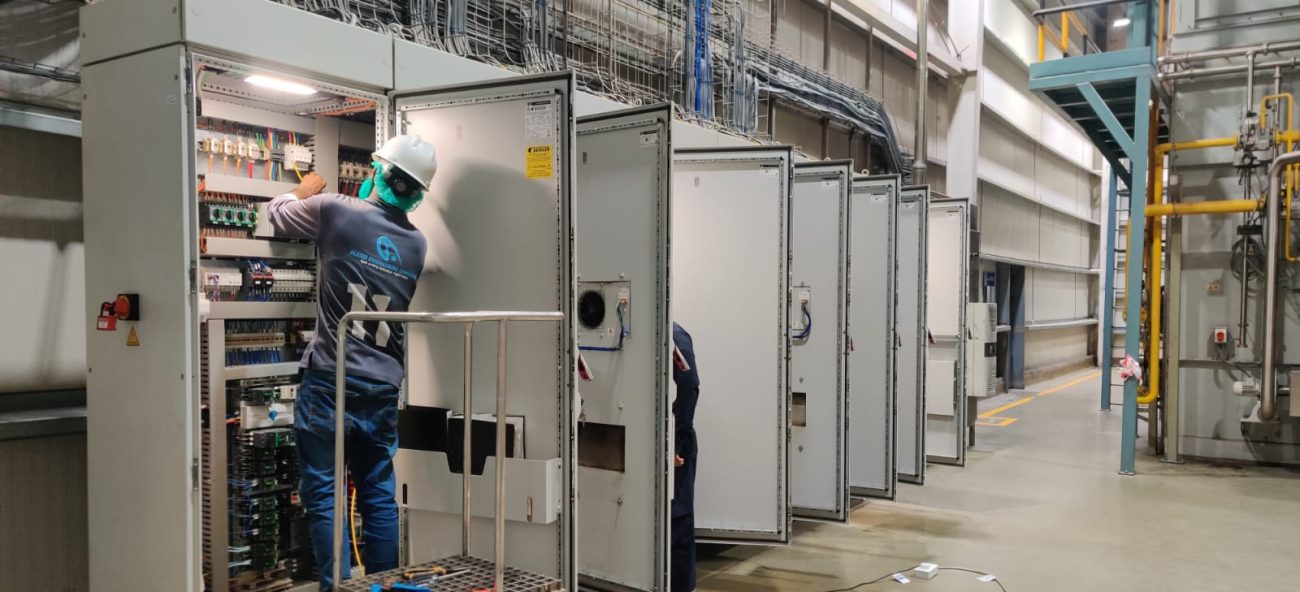
Installed cables in new rooms and/or new buildings
Switch and socket installation
Indoor and outdoor lighting setup
Circuit breaker and panel upgrades
Fault finding and repair work
Backup power and generator connections
Enhancements to security lighting and power distribution
Smaller jobs can include things such as outlet replacement, switch replacements, or light fixture installation. Big jobs typically include rewiring, panel replacement, load balancing, generator integration, or complete-system upgrades for older homes.
The more significant the burden and the more established the system, the sharper the professional layout is required.
Why Electrical Work Is Important
A fair amount of Good Electrical Work goes into it, not just restoring the power. It is about providing protection from electric shock, excessive heat, overloaded circuits, and fire hazards.
Safety organizations, including the National Fire Protection Association and the Electrical Safety Foundation International, repeatedly caution that warning signs such as dimming lights, warm outlets, buzzing sounds, and burn smells can indicate serious electrical issues.
It also improves energy efficiency. A good system manages appliances more efficiently, alleviating unnecessary stress on the load and allowing for upgrades to components like LED lighting, a point-of-use smart control, and less power-consuming cooling systems.
In a marketplace moving toward cleaner energy and smarter infrastructure, electrical performance has become part of holistic property performance.
Then, there’s the value angle. Safe, modern systems will make a property more appealing to potential buyers, tenants, and other business operators.
For commercial sites, a dependable power source powers uptime and protects critical equipment, allowing for seamless operations. For homeowners, that means less stress and fewer emergency repairs.
Wired2Perform has Section 1.06 Common Types of Electrical Work in Homes and Businesses
Your Electrical Work will typically fall into one or more practical classifications.
New wiring installations
New construction, extensions of existing buildings, renovated shops, and office fit-outs often require new wiring to be designed around current loads, rather than old assumptions.
Now is the time to plan for future demand as well, such as smart systems and extra outlets.
Rewiring old buildings
So many older buildings have wiring that won’t accommodate modern appliances. The rewiring is a safer way to replace the load use and keep compliance.
It also addresses minor problems like tripping breakers or uneven power.
Lighting installation and upgrades
Lighting can make or break a property and is one of the fastest ways to look at improvements. From downlights and feature lighting to outdoor security lights, the correct arrangement promotes comfort, aesthetics, and energy savings.
Ceiling fan installation
The installation here may seem straightforward, but fan installations still need proper support, safe connections, and proper control by the switch.
Electrical panel upgrades
A panel upgrade is often a requirement when a building adds more air conditioning, kitchen equipment, IT hardware, or EV charging support.
As the number of electrification and renewable energy projects advances in Dubai, infrastructure planning is becoming more pertinent than ever for consumers and commercial properties.
Outlet and switch replacement
Never ignore broken, loose, hot, or outdated outlets. Even minor imperfections can become major threats.
Backup generator connections
Mines, businesses, clinics, retail stores, and larger homes may require backup power.” Safe connections matter because the wrong temporary or permanent setups can pose significant fire and carbon monoxide hazards—particularly around portable generators.
Outdoor and security lighting
This enhances safety, visibility, and property protection while also aiding access control and curb appeal.
Commercial electrical maintenance
Ongoing inspections for warehouses, shops, offices, and service businesses are required to prevent costly downtime. Scheduled maintenance is much less expensive than reactive failure.
Indications That You Need to Get Electrical Work Done
It’s time to call for professional electrical work if you spot these red flags:
Frequent circuit breaker trips
Flickering or dim lights
Burning odor coming from electrical outlets or switches
Hot sockets or wall plates
Buzzing noises coming from panels or outlets
Outdated wiring
Repeated power surges
Vessel equipment for modern amenities
These are not small annoyances. ESFI and NFPA safety guidance consider many signs as indicators of overloads, poor connections, or wiring issues. Heat at outlets, discoloration, buzzing, or a mild shock from a switch warrants immediate attention.
The Risks of Shoddy or DIY Electrical Work
Serial readers of Electrical Work can cause issues that are invisible until wear damage occurs.
The biggest risk is fire. Loose joints, overloaded circuits, undersized wiring, and unsafe extensions can overheat with time.
There are also risks of electric shock, damage to equipment, fluctuating voltage, and costly repair work further down the line.
NFPA points out that electrical failure or malfunction has been a major cause of home structure fires, and CPSC warnings also illustrate how unsafe wiring and poor connections can escalate risk levels quickly.
There is a legal side too. “Violations can cause complications with inspection, insurance, tenants, and resale.” In controlled economies, electrical installations must comply with approved rules and regulations or authority standards.
Advantages of Engaging an Expert Electrician for Electrical Tasks
The quite simple value of Electrical Work carried out by qualified individuals: safer outcomes, superior efficiency, and fewer surprises.
This is what a good electrician will do: diagnose the underlying cause of a fault rather than cover up the symptom.
They employ the right tools with quality materials and proven processes. They also know about load calculations, protection devices, grounding, and compliance rules that most property owners never see.
That means:
Safer, code-aware installation
Better fault diagnosis
More reliable long-term performance
Lower risk of damage to appliances and systems
Quicker turnaround with less repeat problems
Peace of mind for property owners, tenants and management
For residential electrical work, that peace of mind comes in handy since your family lives with the result every day. For companies, it safeguards operations, personnel, customers, and equipment.
Choosing the Right Electrical Work Service
Finding the right Electrical Work provider is more than just about price.
Start with experience. Inquire about the types of work they do most frequently.
Any team that routinely does villas, offices, or retail units or you have maintenance contracts would usually be able to observe any issues earlier and plan accordingly.
Then check the basics:
Qualifications and technical experience
Reviews and testimonials
Range of electrical services offered
Licensing and insurance
Transparent pricing and scope of work
Safety record and response time
A trustworthy provider should describe the issue in plain English. They should also inform you what requires immediate attention, what’s OK to delay, and what upgrade opportunities make sense for your wallet.
Advice for Keeping Your Electrical System Working
Preventive care converts Electrical Work into emergency work.
Plan inspections, particularly for older buildings or heavily used commercial spaces. Avoid overloading outlets. Replace damaged cords quickly.
Replace old panels when demand increases. Use energy-efficient lighting wherever possible. And don’t dismiss small signs of danger.
Safety groups consistently remind us that lights flickering out, outlet plates sizzling, or burning smells wafting about are often early indicators of bigger problems.
We also recommend planning ahead. If you plan on adding extra AC units, kitchen equipment, smart systems, or EV charging, expect the electrical side to be reviewed first.
Dividing it further will also result in higher costs, although planned upgrades are much cheaper than handling overloads afterward.
FAQs
What does electrical work involve?
These services are all about wiring, lighting installation, switches, sockets, circuit breakers, panel upgrades, and fault-finding, repairs, and testing as well as maintenance of residential and commercial properties.
How can I tell if I need a pro electrician?
If you spot tripping breakers, flickering lights, burning smells, hot outlets, buzzing sounds, or old wiring, call in a pro.
DIY Electrical Work: Is it Safe?
Basic tasks might seem straightforward, except that dangerous do-it-yourself repairs can result in electric shock, fire hazards, code problems, and expensive damage down the line.
How often does an electrical system need to be inspected?
It varies based on the aged and used state of the property, but generally older homes, active commercial properties, or buildings with frequent electrical issues should be examined regularly.
Why do I need to upgrade my electrical panel?
Panel upgrades allow your system to handle modern appliances, HVAC loads, smart devices, and future needs such as EV charging more safely and with greater reliability.