Blog
How to Choose Living Room Tiles Dubai Home Guide 2026


Choosing tiles for a living room is not only about finding a color you like. The floor affects how large the room feels, how easy it is to clean, how safe it is for daily movement, and how well the space matches your furniture. This guide explains how to choose living room tiles by looking at layout, lifestyle, material, finish, size, grout, and long-term maintenance before you make a final decision.
If you are comparing tile options for an apartment, villa, rental property, or family home, use this guide as a planning checklist. By the end, you will understand how to choose living room tiles with more confidence and avoid common mistakes that can make a finished room feel too busy, too slippery, or difficult to maintain.
Why Tile Planning Matters Before You Start
A living room usually connects to the entrance, hallway, dining space, balcony, or kitchen. That means the tile choice has to work with more than one area. Before thinking about designs, first consider how the room is used every day. A quiet formal sitting room may need a different finish than a busy family lounge with children, guests, pets, and frequent cleaning.
The best way to understand how to choose living room tiles is to start with practical questions:
- How much foot traffic does the room get?
- Does the space receive strong sunlight?
- Is the room small, open-plan, or connected to other flooring?
- Do you prefer a warm, luxury, minimal, or natural look?
- How much maintenance are you comfortable with?
These answers help narrow the options before you compare colors or patterns.
Step 1: Match the Tile Material to Daily Use
Tile material affects strength, cleaning, water resistance, and cost. For living rooms, porcelain tiles are often preferred because they are dense, durable, and suitable for high-traffic areas. Ceramic tiles can also work well, especially in lower-traffic spaces, but they may not be as hard-wearing as porcelain in busy homes.
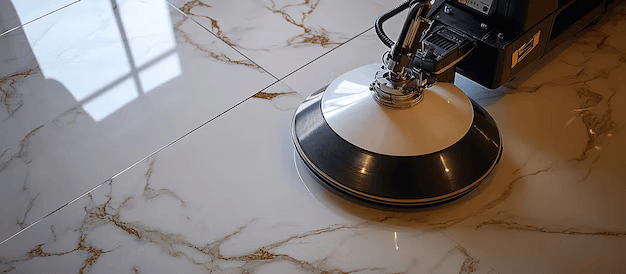
Marble-look porcelain tiles are a useful option when you want a luxury appearance without the same maintenance level as natural marble. Wood-look tiles can add warmth while still giving the easy cleaning benefits of tile. Concrete-look tiles suit modern interiors, especially when paired with simple furniture and neutral walls.
When learning how to choose living room tiles, do not judge the tile by appearance alone. Ask about durability, surface finish, cleaning needs, and whether the tile is suitable for floors rather than only walls.
Step 2: Choose a Finish That Balances Style and Safety
The finish controls both the look and feel of the floor. Glossy tiles reflect more light and can make a room feel brighter, but they may show dust, footprints, and water marks more easily. Matte tiles create a softer, calmer look and are often easier to live with in busy homes. Textured tiles add grip and visual depth, but deeper textures may require more careful cleaning.
A good rule for how to choose living room tiles is to balance beauty with everyday comfort. A tile that looks impressive in a showroom may feel too shiny, too cold, or too difficult to maintain once it covers a large living room floor.
Step 3: Pick the Right Tile Size for the Room
Tile size changes how the room feels. Large-format tiles can make a living room appear more open because there are fewer grout lines. This works especially well in open-plan spaces, modern apartments, and rooms where you want a clean, seamless look.
Smaller tiles can add detail and pattern, but they also create more grout lines. In compact rooms, too many visible lines can make the floor look busy. In larger rooms, very small tiles may feel less modern unless they are used intentionally as a design feature.
If you are deciding how to choose living room tiles for a small space, compare a few layout samples before buying. Light colors, simple patterns, and balanced tile proportions usually help the room feel more open.
Step 4: Select Colours That Work With Light and Furniture
Color should support the full room design, not fight with it. Beige, cream, grey, greige, and soft stone tones are versatile choices for living rooms because they work with many furniture styles. Darker tiles can look dramatic and elegant, but they may show dust more quickly and can make a small room feel heavier if the walls and furniture are also dark.
Natural light matters too. A room with large windows can handle deeper tones more easily. A room with limited daylight may benefit from lighter tiles that reflect brightness. If your furniture is bold, choose a calmer floor. If your furniture is simple, a subtle pattern or stone effect can add interest.
This is where How to Choose Living Room Tiles becomes a design decision as much as a practical one: the best tile should connect the walls, sofa, curtains, lighting, and décor into one balanced look.
Step 5: Compare Patterns Without Overcrowding the Room
Tile patterns can make a living room feel modern, classic, or luxurious. Marble-look tiles create a polished, premium feel. Stone-look tiles add natural texture. Wood-look tiles bring warmth. Concrete-look tiles feel minimal and urban. Geometric or 3D wall tiles can work well for a TV wall or accent area, but they should not compete with a highly patterned floor.
For a calmer result, use one main tile style on the floor and save stronger patterns for a small feature area. When thinking about How to Choose Living Room Tiles, remember that the living room already contains many visual elements: furniture, rugs, curtains, shelves, art, lighting, and electronics.
Step 6: Plan Grout Colour and Joint Width Early
Grout has a big effect on the finished look. A grout color close to the tile creates a smoother appearance. A contrasting grout color highlights the shape of each tile and can make the layout more noticeable. For living room floors, many homeowners prefer a grout shade that blends with the tile because it keeps the room looking clean and open.
Joint width also matters. Very thin joints can look elegant, but they require accurate tile sizing and careful installation planning. Wider joints may be more forgiving, but they can make the pattern stronger. Include grout in your plan from the beginning instead of treating it as a final detail.
Step 7: Think About Maintenance Before You Buy
A living room floor should look good after daily use, not only on installation day. Before selecting a tile, check how easily it cleans, whether it shows dust, and whether the surface is suitable for your lifestyle. Homes with children, pets, or frequent guests may benefit from matte or lightly textured tiles in mid-tone colors.
If your current floor is still in good condition, cleaning, regrouting, or replacing a few damaged tiles may refresh the room without a full renovation. A planning guide on how to choose living room tiles should include this question: do you need new tiles, or do you mainly need a tile refresh?
Step 8: Create a Simple Living Room Tile Checklist
Before making the final decision, review the tile choice using this checklist:
- Material: porcelain, ceramic, marble-look, wood-look, stone-look, or concrete-look
- Finish: matte, glossy, polished, satin, or textured
- Size: large-format, standard, or small-format
- Colour: light, neutral, dark, warm, cool, or patterned
- Layout: straight, staggered, diagonal, or feature-area design
- Grout: matching, slightly darker, or contrasting
- Maintenance: daily cleaning, stain visibility, and long-term repair options
- Room flow: connection with hallway, dining area, kitchen, balcony, or entrance
Using this checklist makes How to Choose Living Room Tiles less overwhelming because each decision has a clear purpose.
Common Mistakes to Avoid
Many tile problems happen because the decision is made too quickly. Avoid choosing a tile only from a small sample, ignoring lighting, selecting a slippery finish, or using a busy pattern across the entire room without considering furniture. Also avoid buying the exact amount of tile with no allowance for cuts, future repairs, or breakage.
Another mistake is focusing only on the floor and forgetting edges, transitions, skirting, and grout color. These finishing details can decide whether the living room looks complete or unfinished.
When to Use Feature Wall Tiles
Wall tiles can work well in a living room when used as a focal point. Popular areas include the TV wall, fireplace-style feature wall, entrance-facing wall, or a decorative section behind seating. The goal is to add texture and depth without making the room feel crowded.
If the floor already has strong movement or a bold marble effect, choose a simpler wall tile. If the floor is plain, a stone-look, fluted, or 3D texture can add personality. The same planning logic applies to wall tiles: consider balance, lighting, cleaning, and how the design will feel over time.
Suggested Internal Link
After the reader understands the planning process, add one soft internal link to the main service page near the end, using a non-competing anchor such as “professional tile installation support” or “living room flooring installation help.” This keeps the blog educational while helping readers move naturally to the service page when they are ready.
Final Thoughts
The right tile can make a living room feel brighter, cleaner, larger, warmer, or more refined. The key is to choose based on real use, not only showroom appeal. When you understand how to choose living room tiles, you can compare materials, finishes, colors, sizes, grout, and maintenance with a clear plan.
Use this guide before visiting a tile showroom, requesting samples, or planning an installation. A little preparation at the start can help you choose a living room floor that looks good, feels comfortable, and stays practical for years.
FAQs
What is the best tile type for a living room?
Porcelain is a popular choice for living room floors because it is durable, easy to clean, and available in many finishes. Ceramic, marble-look, wood-look, and stone-look tiles may also work depending on the design goal and daily use.
How do I know how to choose living room tiles for a small room?
Focus on lighter colors, simple patterns, and tile sizes that reduce visual clutter. Large-format tiles can help the floor feel more open when the room layout allows balanced cuts.
Are glossy tiles good for living rooms?
Glossy tiles can make a room look brighter and more polished, but they may show marks more easily. For busy households, matte or satin finishes are often easier to maintain.
Should living room floor tiles match wall tiles?
They do not need to match exactly. A coordinated look is usually better than a perfect match. Choose colors and textures that work together without making the room feel too busy.
How do I plan How to Choose Living Room Tiles before Installation?
Start with room size, lighting, furniture color, tile material, finish, grout color, and maintenance needs. Then compare samples in the room before making the final selection.