


Blog
Interior vs Exterior Paint Dubai: Key Differences & Costs 2026

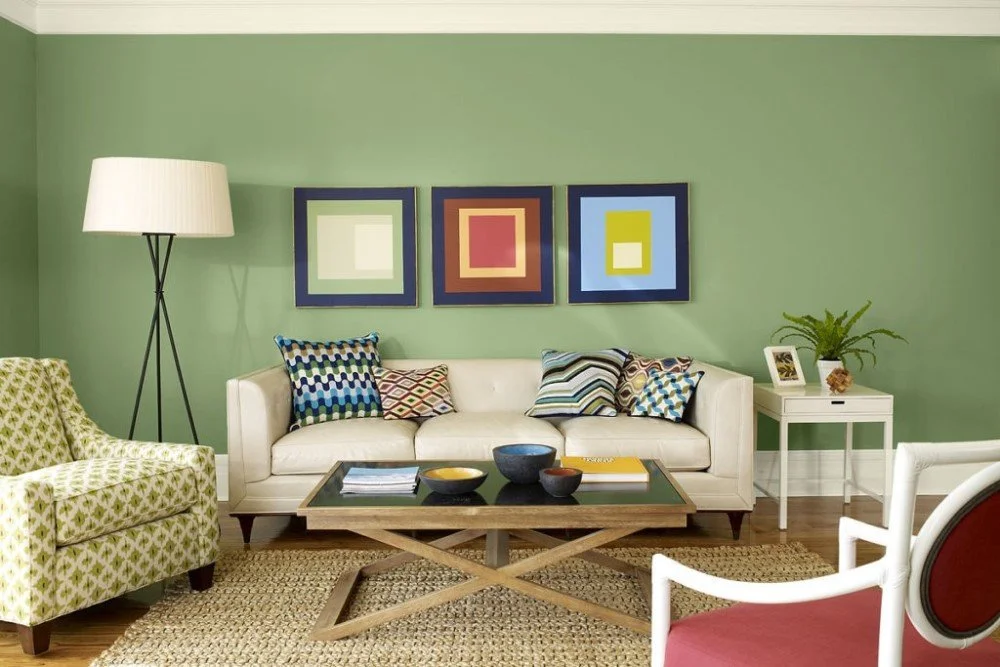
A freshly painted wall can look excellent on handover and fail within a season if the wrong coating was selected. This interior vs exterior paint Dubai guide explains how formulations, primers, finishes, labour and climate affect the result—and how owners can make a reliable choice without paying for unnecessary extras.
What is the difference between interior and exterior paint in Dubai?
Interior vs exterior paint Dubai comes down to exposure and performance: interior products prioritise low odour, appearance and washability, while exterior systems are engineered to withstand sunlight, temperature changes, moisture and movement. Neither is a universal substitute. Choose by substrate, location, technical data sheet and the complete primer-to-topcoat specification.
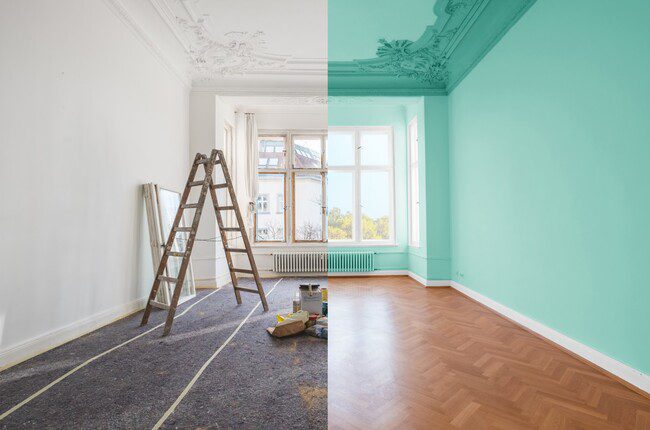 Image alt text: Side by side interior versus exterior paint performance infographic for Dubai homes
Interior coatings prioritise occupant comfort; exterior coatings must survive weather and ultraviolet exposure.
- The seven differences that matter most
- Exposure and weather
An interior wall faces fingerprints, furniture contact, steam and cleaning. A façade faces solar radiation, wind-blown dust, occasional rainfall, moisture and thermal cycling. The strongest paint for a living room is not automatically the right façade product.
- Binder and flexibility
Common water-based interior emulsions are designed for smooth finish and routine cleaning. Exterior acrylic and elastomeric systems may offer stronger weathering resistance and accommodate specified minor movement. Elastomeric paint is not a substitute for structural-crack repair or waterproofing.
- Pigment and colour retention
Strong Dubai sunlight can accelerate fading in unsuitable pigments. Exterior tint systems and product lines should be chosen for ultraviolet durability, especially on sunny elevations and saturated colours. Ask what colour-retention claims apply to the selected shade.
- Indoor emissions and odour
Interior specifications should examine VOC content, ventilation requirements and curing guidance. A low-VOC label is helpful but is not an absolute guarantee of zero emissions or safety: the EPA advises evaluating total composition and exposure, not the label alone.
- Moisture management
Bathroom walls, service rooms and shaded exterior surfaces may experience moisture differently. Paint cannot stop rising damp, plumbing leaks or failed waterproofing. Fix the water source and dry the wall before choosing compatible breathable or water-resistant products.
- Sheen and cleaning
Matte reduces the visibility of minor unevenness but some matte films mark easily. Eggshell or satin can support cleaning in high-contact rooms. Exterior finish selection depends on system compatibility, glare, appearance and weathering behaviour rather than sheen alone.
- Lifetime cost
A low-price tin can become expensive if it needs extra coats or early repainting. Compare coverage, preparation, coat count, access, primer, warranty exclusions and expected maintenance intervals—not only AED per litre.
The central lesson of interior vs exterior paint Dubai is that coating chemistry should solve a clearly defined surface problem. Performance claims must match the actual product data sheet and site conditions.
- Essential tools, products and example costs
These are illustrative 2026 budgeting allowances, not verified live retail quotes. Brand, pack size, finish, contractor, accessibility and VAT treatment can move the numbers considerably. Confirm local supplier pricing before procurement.
| Item / system | Illustrative AED range | Skill / selection note |
| Interior emulsion (per 4 L) | 70–250 | Basic selection; compare coverage and scrub resistance |
| Exterior acrylic (per 4 L) | 110–380 | Moderate; require exterior approval and colour stability |
| Specialty elastomeric (per 4 L) | 180–500+ | Professional specification; check film thickness |
| Primer or sealer (per 4 L) | 45–160 | Moderate; match substrate and finish coat |
| Filler, caulk, repair consumables | 25–150 per small project | Basic–intermediate; do not mask active cracks |
| Rollers, tray, brushes, masking | 45–200 per kit | Beginner–intermediate |
| Ladder / access platform | Site-specific quote | Professional for elevated façades |
| Moisture meter (basic) | 80–350 | Interpret readings with substrate context |
| Labour and surface preparation | Site-specific quote | Depends on condition, area, height and access |
Budgeting example: a 40 m² wall with a theoretical coverage of 10 m²/L/coat needs 8 L for two coats before allowance for texture, waste and loss. At a 10–20% working allowance, procurement may be closer to 8.8–9.6 L. Use the chosen paint’s published spreading rate rather than treating this example as a universal yield.
Image alt text: Interior wall paint sheen and exterior finish selection diagram
Pick finish according to cleaning needs, lighting and the manufacturer-approved coating system.
- Step one: inspect the surface before choosing paint
For choosing between indoor and outdoor coatings, inspection often saves more money than switching brands. Photograph every elevation or room in daylight, then mark peeling areas, chalky paint, efflorescence, damp stains, hairline cracks, open joints and previous patching. Distinguish cosmetic defects from water ingress or substrate failure.
Rub a dry palm over the existing coating. Loose powder suggests chalking that needs cleaning and possibly a suitable stabilising primer.
Apply a small tape-adhesion test in an inconspicuous area when appropriate. Weak or flaking coating must be removed to a sound base.
Check discolouration after rain or AC operation. Persistent damp patches require diagnosis, not immediate repainting.
Identify substrate: new plaster, gypsum board, cement render, previously coated masonry, timber and metal need different primers.
Record exposed direction, shade, humidity and access constraints. Ask whether a contractor needs scaffold permits or building approval.
💡 Quick Hack: Create a single-page photo schedule with room name, wall dimensions, problem, and expected finish. Give the same schedule to every painter so quotes cover comparable work.
- Step two: select the correct coating system
Interior rooms: living areas, kitchens and bathrooms
For bedrooms and lounges, low-odour water-based acrylic or emulsion paint is often a practical starting point. Prioritise a credible finish standard, suitable wipe resistance and a colour that works under daylight and warm artificial lighting. Busy corridors can justify greater scrub resistance; kitchens demand careful cleaning of grease before coating.
Bathrooms introduce condensation. A coating marketed as mould resistant may slow visible growth but cannot replace ventilation or leak repair. Review the technical specification for humidity tolerance and ensure walls have dried within the product’s moisture limits. Do not paint over active mould without appropriate remediation.
interior vs exterior paint Dubai
Exterior façades: render, concrete and masonry
A good façade specification typically combines substrate preparation, repair treatment, appropriate exterior primer, and compatible topcoats. In dusty or sea-adjacent areas, ask how the product responds to staining, salt exposure and cleaning. Coastal salt and moisture exposure should be assessed by the contractor for the specific site.
A flexible exterior system can help where the manufacturer explicitly allows bridging of minor static cracks. Wider, recurring, structural or water-transmitting cracks require investigation and repair design. A thick paint film does not solve underlying settlement.
Pro-Tip: Request the product name, product code, colour system, primer reference, coat number and dry film thickness requirement in writing. “Premium paint” by itself is not a specification.
- Step three: plan around Dubai temperatures and humidity
The biggest error in Dubai painting projects is assuming a pleasant morning air temperature means the wall is ready. Sun-exposed render can become much hotter than ambient air. If surface temperature, relative humidity or dew point sits outside the coating manufacturer’s allowable range, drying and adhesion can suffer.
Use an infrared thermometer for surface checks and a hygrometer for ambient conditions. Follow the product data sheet for permitted temperature, relative humidity, dew-point separation, minimum recoat time and curing. Do not apply to a damp surface simply to meet a handover deadline.
Schedule exposed walls in shade when practical, while respecting full manufacturer application limits. In occupied interiors, coordinate air conditioning and controlled ventilation without directing dirty airflow over wet paint. Keep dust-generating works separate from final coats.
💡 Quick Hack: Paint a small test section at the actual work location, not inside a showroom. Inspect it after drying from morning and evening angles to identify flashing, roller marks and shade changes before approving all rooms.
Image alt text: Dubai exterior painting weather checklist infographic showing temperature humidity and drying precautions
Measure the wall—not just the forecast—and obey the selected coating’s published application limits.
- Step four: prepare the wall correctly
Surface preparation can account for a substantial share of labour because it determines whether the topcoat bonds. Begin with protecting floors, windows, sockets, landscaping and nearby vehicles. Use dust control and appropriate personal protective equipment when scraping or sanding; investigate hazardous old coatings rather than disturbing them blindly.
Remove loose paint, dust, grease, biological growth and soluble salts using methods approved for the substrate.
Open and repair cracks where necessary with a compatible, correctly specified repair material. Allow required curing and drying.
Sand repaired zones level; feather sound old paint edges to avoid visible ridges.
Confirm moisture condition and primer compatibility before proceeding. Do not trap moisture behind impermeable layers.
Spot-prime patches and stains where specified; use a full primer coat if the substrate requires uniform sealing.
Mask boundaries precisely and remove tape according to coating guidance to avoid tearing film edges.
Pro-Tip: Ask for inspection photographs after repairs and before primer. That is the stage when hidden defects are easiest to document and expensive rework is still avoidable.
Image alt text: Five-stage paint preparation process from inspection to primer and topcoat
Cleaning, repairs and primers are a coating system—not optional extras.
- Step five: apply primer and finish coats consistently
Selecting the right coating system also changes application technique. Heavily textured façades may consume more paint than smooth interior gypsum, while deep colours can demand additional coats. Stir material as recommended; avoid unauthorized thinning and never mix products from incompatible systems.
Cut edges carefully, then roll full wall sections maintaining a wet edge. Work from a planned starting point and avoid repeated rolling after paint begins to set. For façades, follow manufacturer instructions about roller, brush or spray application, including dilution and film build.
The next coat must be timed to the actual product and conditions. “Touch dry” is not necessarily “ready to recoat,” and neither means fully cured. Check for even opacity, laps, holidays and sheen before moving on. Correct a defective coat only after diagnosing why it failed.
💡 Quick Hack: Label one sample board with each room’s colour code and paint batch. Keep it dry and protected; future touch-ups are much easier when the original product and sheen are known.
- Cost guide: build an apples-to-apples Dubai quote
A sensible interior vs exterior paint Dubai comparison separates material spending from the labour and access scope. Exterior work can carry added costs for façade washing, crack repairs, access equipment and UV-resistant systems. Interior work can cost more than expected where furniture protection, colour changes, ceiling repairs and occupied-room scheduling are complex.
For illustration only, suppose a basic room has 65 m² of paintable wall surface. At two coats and a nominal 10 m²/L/coat, theoretical volume is 13 L; an allowance of 15% lifts the planning requirement to about 15 L. Multiplying the actual selected paint price by the purchased pack sizes gives just one budget line, not an installed project price.
| Quote component | Questions to ask |
| Measured area | Are openings deducted? Are ceilings and trims included? |
| Surface treatment | What happens to cracks, damp, peeling, and chalking? |
| Primer | Which product and how many coats? |
| Finish coats | Exact product, colour reference, coverage and coat number? |
| Access and protection | Who supplies ladders, scaffold, coverings and cleanup? |
| Programme | How are humidity, drying and occupancy handled? |
| Warranty / defects | What defects are covered, for how long and with what exclusions? |
💡 Quick Hack: Divide each complete quote by the measured painted area to compare installed AED/m², then separately highlight exclusions. Do not use an artificially low per-square-metre number that omits preparation or scaffolding.
- Five critical mistakes to avoid
- Using interior emulsion on a façade
Interior products may lack weathering and colour-stability performance. Replace the proposed material with a product expressly approved for the exterior substrate.
- Painting over moisture or salt
White salts and damp patches frequently return under fresh paint. Find and correct ingress, clean the substrate appropriately and verify dryness.
- Skipping substrate-specific primer
Repairs and porous surfaces absorb paint unevenly, causing flashing and poor bonding. Use the recommended primer and observe its recoat window.
- Choosing sheen solely from a colour card
A glossy sample may amplify wall defects while a very flat product may mark in busy spaces. Trial realistic patches under actual lighting.
- Accepting an ambiguous painting quotation
A low price can omit crack treatment, ceilings, access or disposal. Insist on an itemised, written work schedule with product details.
In an interior vs exterior paint Dubai decision, most avoidable failures arise from a mismatch between wall condition, coating specification and application conditions—not from choosing the “wrong” trendy colour.
- Advanced strategies for longer-lasting results
Use a small test programme before full rollout
For multi-villa developments or commercial projects, trial the actual coating system on representative south-facing, shaded and repaired surfaces. Record substrate condition, primer, finish coats and weather conditions. Compare appearance and adhesion after curing, then approve a repeatable procedure for production areas.
Plan colour around real solar exposure
Light-coloured exterior finishes can reduce solar absorption compared with darker alternatives, but energy outcomes depend on the building and product. The U.S. Department of Energy notes that exterior reflectance influences heat gain; do not assume an ordinary wall paint has a certified “cool roof” rating or promises an exact electricity saving.
Keep batch records and maintenance zones
A serviceable façade has an asset log: coating manufacturer, product number, batch, shade, application date and repaired locations. This is especially useful in large buildings where different elevations weather at different speeds. For interiors, record high-wear areas and set a sensible inspection frequency.
Pro-Tip: Retain a sealed sample or manufacturer-approved colour reference rather than relying on phone photographs. Screen colour and site lighting can produce misleading matches.
- Troubleshooting and maintenance guide
Even a carefully executed interior vs exterior paint Dubai project needs upkeep. Address the cause before adding another coat; repainting a failed area without diagnosis usually recreates the defect.
| Symptom | Likely causes to investigate | Practical corrective direction |
| Bubbling / blistering | Trapped damp, heat, contamination | Determine cause; remove failed film, dry and recoat to specification |
| Peeling | Poor adhesion, dust, incompatible layers | Remove unsound coating; prepare and prime correctly |
| Patchy sheen | Uneven porosity, roller technique, incomplete drying | Allow cure; assess primer and uniform recoating |
| Powdering / chalk | Weathering or unsuitable exterior product | Clean thoroughly; verify adhesion and compatible primer |
| Dark spots or mould | Condensation, leak, poor ventilation | Fix water source; remediate then select appropriate coating |
| Early fading | UV exposure, pigment or system mismatch | Check exterior colour system and manufacturer guidance |
| Hairline cracks returning | Movement or inadequate crack treatment | Investigate movement; repair with appropriate system |
For routine interior care, start with a soft cloth, water and mild cleaner only where the paint is approved for washing. Test an inconspicuous spot before stronger cleaners. For exterior walls, use gentle methods consistent with the coating specification; aggressive pressure washing can damage sound films and drive water into joints.
Inspect exposed elevations after significant weather events and at least annually, with special attention to parapets, window joints, roof edges and previous repairs. Consider early localized maintenance before water ingress spreads. Keep final-warranty documentation and photographs in one accessible folder.
Image alt text: Painting budget checklist infographic with preparation primer access and warranty
Complete quotes are easier to compare when every contractor prices the same scope.
- Frequently asked questions
Can exterior paint be used indoors in Dubai?
Not as a default. An exterior product can contain additives or have odour and application conditions unsuitable for occupied interiors. Use it indoors only if the manufacturer explicitly approves that specific product and the room’s exposure requirements are met.
Can interior paint survive Dubai outdoor weather?
Ordinary interior emulsion is not designed for sustained UV exposure, dusty wind, occasional rainfall and temperature cycling. Use a properly specified exterior system instead of relying on additional interior coats.
Which finish is best for a Dubai villa interior?
There is no single best sheen. Matte often suits low-contact living areas, while washable eggshell or satin can work for corridors, family spaces and other areas requiring routine cleaning. Prioritise actual product washability and appearance.
How much does villa painting cost in Dubai in 2026?
A reliable price requires measured surface area, access assessment, substrate condition, paint system, colour changes and repair scope. Request an itemised quotation rather than trusting unsourced citywide price estimates or applying paint material prices to the entire job.
How long does exterior paint last in Dubai?
Life depends on coating grade, preparation, elevation, UV exposure, salt, leaks and maintenance. Manufacturer warranties may have strict conditions and should not be treated as a universal repaint interval. Regular inspection is more reliable than a fixed promise.
Should owners choose low-VOC paint?
Lower-VOC formulations can be a sensible interior consideration, but VOC labels alone do not establish total indoor-air safety. Review the full product information, follow application precautions, maintain suitable ventilation and respect reoccupation instructions.
- The final decision: which paint should Dubai owners buy?
The simplest way to resolve interior vs exterior paint Dubai is to specify the wall first and select the chemistry second. Indoors, start with occupant comfort, washability and finish. Outdoors, start with substrate integrity, UV durability, moisture conditions and a complete exterior system. A tested sample and a clear specification beat a persuasive colour brochure every time.
Ehsas supports villa painting in Dubai with surface preparation, colour guidance and coating options suited to the property. Property owners can explore the Ehsas villa service page to discuss scope and obtain a site-specific quotation rather than relying on generic assumptions.