Blog
Apartment Painting Cost Dubai: Latest Prices Complete

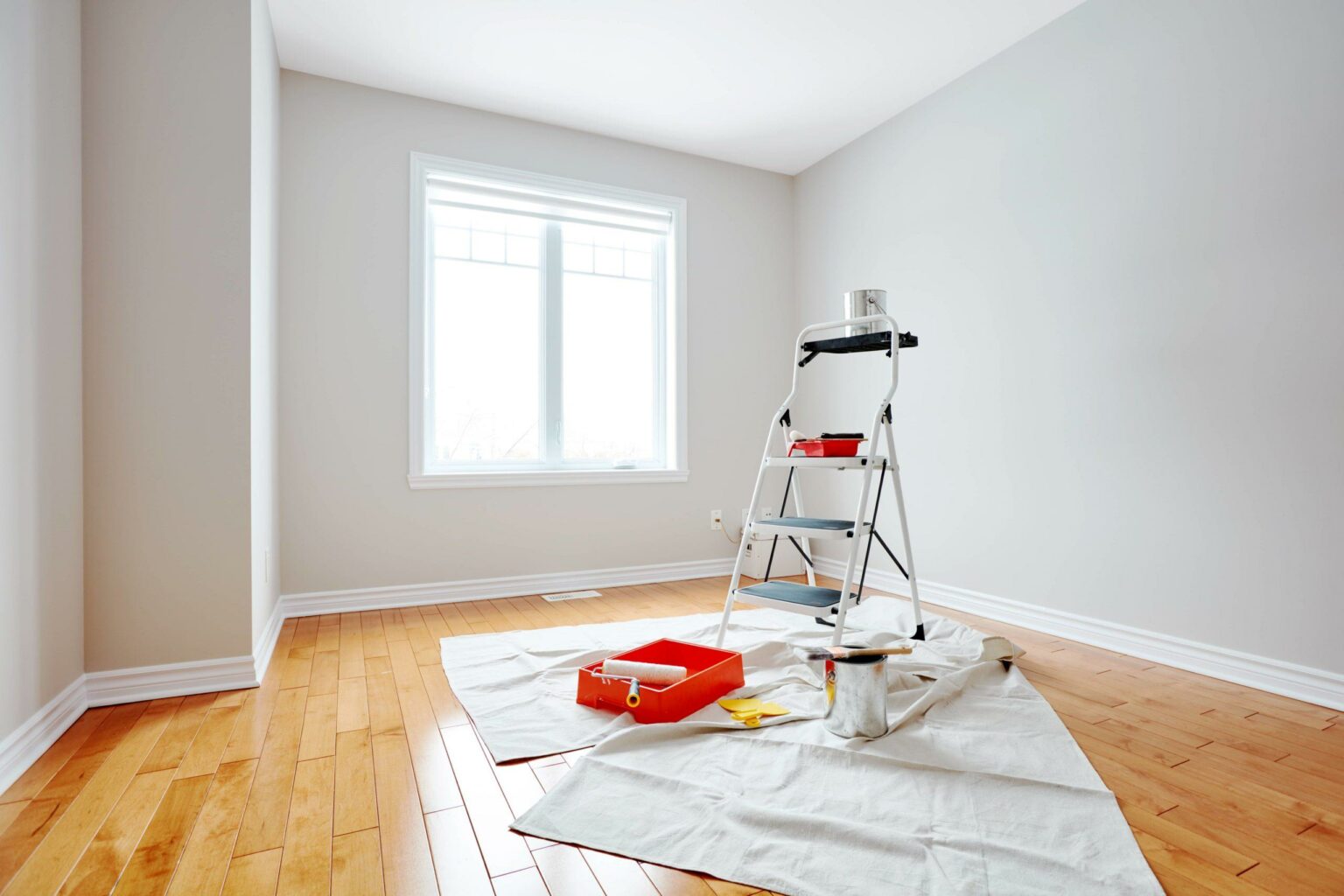
One Dubai painter quotes AED 1,200 for a one-bedroom flat; another quotes AED 2,500. The difference often comes down to what is included, not simply the paint brand. This guide to apartment painting cost Dubai explains realistic 2026 budgets, the scope behind each price, and the checks that prevent an expensive repaint from turning into an expensive redo.
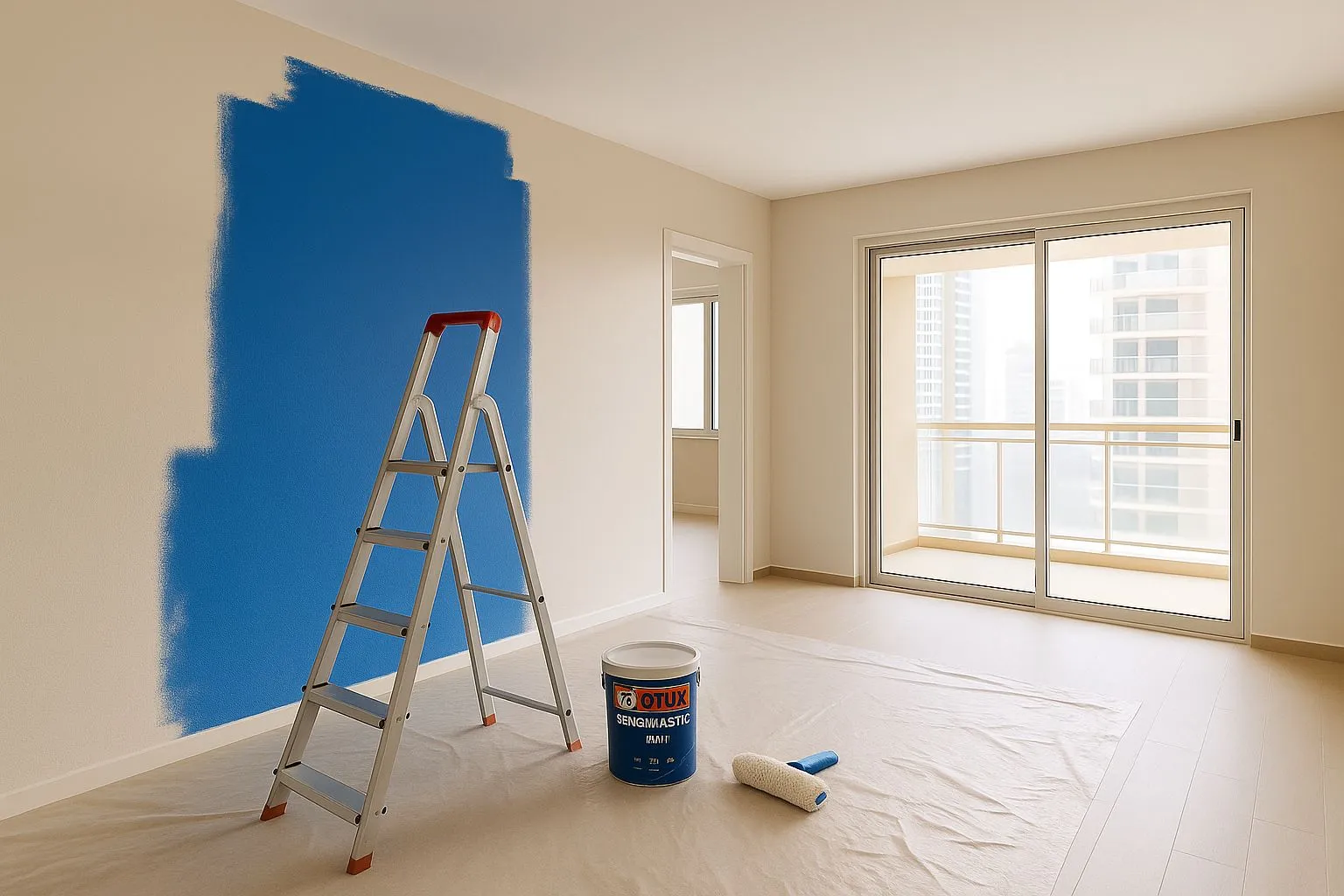 How much does apartment painting cost in Dubai in 2026?
For a straightforward interior repaint, budget approximately AED 700–1,400 for a studio, AED 1,100–2,500 for a one-bedroom, AED 1,800–4,000 for a two-bedroom, and AED 2,800–6,000 for a three-bedroom apartment. Prices vary with repairs, paint grade, ceiling work, access, furniture and number of coats. Request an itemised site-specific quote.
2026 apartment painting price guide by unit size
| Apartment type | Indicative standard repaint | What usually changes the quote |
| Studio | AED 700–1,400 | Ceiling, patching, vacancy |
| 1-bedroom | AED 1,100–2,500 | Colour change, wardrobes, access |
| 2-bedroom | AED 1,800–4,000 | Extra rooms, doors, wall condition |
| 3-bedroom | AED 2,800–6,000 | Larger surfaces and remedial work |
| Premium / major repairs | Quote individually | Special coatings, full skim, moisture remediation |
These are broad market planning bands synthesised from 2026 published Dubai ranges, not guaranteed Ehsas rates. Some advertisements describe walls only; others include ceilings, prep, two coats and protection. Compare identical scopes before declaring one contractor expensive.
What is included in a professional painting quotation?
For apartment painting cost Dubai, a defensible quote identifies the rooms and surfaces, paint manufacturer and product line, primer requirements, number of finish coats, patch repairs, masking and protection, cleanup, access requirements, VAT treatment and an expected completion window. If any of these is missing, the number is difficult to compare.
For apartment painting cost Dubai, scope is more informative than the apartment’s advertised floor area. A 900-square-foot apartment with many partitions, niches and high ceilings can take longer than a more open layout of the same size.
Understand the cost drivers before accepting a quote
- Actual paintable wall and ceiling area
Contractors may price by room, job package, floor area or measured paintable surface. The floor-area figure used in a property listing is not the surface that receives paint. Estimate a rectangular room’s walls with 2 × (length + width) × height, then deduct substantial openings; add the ceiling separately if included.
For example, a 4 m × 5 m bedroom with a 2.8 m ceiling has 50.4 m² of gross wall area and 20 m² of ceiling area. Deduct a large window and a door, then factor in practical waste and touch-ups. An estimator should inspect columns, bulkheads, wardrobes and accent walls rather than rely on a single multiplier.
- Preparation and existing defects
Light picture-hook holes are different from flaking paint, peeling plaster, water staining and cracked joint tape. Filling and spot-priming a few sound patches may be routine. Widespread skim coating, leak diagnosis or damp-substrate repair is separate remedial work and should have its own line item.
- Colour changes and coverage
When estimating apartment painting cost Dubai, a white-on-white move-out repaint may need less hiding power than taking a navy feature wall back to warm white. Bright colours, strong pigments and poor-quality old coatings can require a suitable sealer and additional coats. Two coats should be specified rather than assumed to cover every colour transition.
- Product specification
When evaluating apartment painting cost Dubai, entry-level interior emulsion can lower the initial invoice. Mid-range washable acrylic paint often offers a more useful balance for occupied homes. Premium stain-resistant products, specialist kitchen/bathroom coatings and designer finishes add material and labour costs. Specify the exact product, sheen and colour code.
- Occupancy, building access and schedule
For apartment painting cost Dubai, an empty apartment usually allows faster continuous work. Occupied rooms need furniture moves, masking, phased access and sometimes extra visits. High-rise buildings may require contractor registrations, approved working hours, lift bookings or access passes; the building management decides the applicable rules.
Apartment painting labour and materials: what should be budgeted?
A useful way to judge apartment painting cost Dubai is to separate paint and consumables from labour, wall repairs, furniture protection and management overhead. Avoid insisting on an arbitrary labour percentage: difficult preparation can dominate a small job, while a large empty flat may benefit from efficiency.
Essential tools and materials breakdown
| Material or tool | Illustrative AED allowance | Skill / purpose |
| Interior emulsion, 4 L | 60–220 per pail | Beginner: check product coverage |
| Primer or stain blocker | 45–180 per container | Intermediate: match substrate |
| Wall filler / putty | 15–75 per pack | Beginner–intermediate |
| Sandpaper / sanding blocks | 10–40 | Beginner; control dust |
| Roller, sleeves and tray | 35–110 | Beginner |
| Cut-in brushes | 20–80 | Intermediate for clean edges |
| Painter’s tape + sheeting | 25–110 | Beginner; protect surfaces |
| Extension pole / step ladder | 45–180 | Intermediate; safe access |
| Caulk and applicator | 25–85 | Intermediate; trim gaps |
| PPE and cleaning supplies | 30–120 | All levels; basic protection |
Amounts above are illustrative purchasing allowances, not verified current retailer prices or a bill of quantities. Pack size, brand and professional trade discounts vary. Check labels for coverage, drying time and compatibility before purchasing.
How to calculate paint quantities without wasting money
Measure each wall in metres and multiply length by height; include awkward returns, alcoves and columns.
Subtract large door and window openings, but do not over-optimise deductions because cutting-in causes wastage.
Add ceiling area only if ceiling painting is in the brief. Keep a separate tally for trim and doors.
Divide net area by the specific paint’s labelled coverage per litre per coat. Multiply by the number of coats.
Allow a sensible contingency for roller loading, textured walls and touch-ups, then round to available tin sizes.
Example: 115 m² of walls × two coats ÷ 11 m²/L theoretical coverage = about 20.9 L before wastage. Adding roughly 10% gives about 23 L. Coverage is a product-dependent estimate, not a promise; porous filler or textured surfaces may consume much more.
💡 Quick Hack: Buy a small sample of the chosen colour and paint a movable test board. Look at it in daylight and under warm evening lighting before buying several full-size pails. This inexpensive test prevents costly whole-room colour regret.
Choose the right paint for Dubai apartments
Matt, eggshell, satin and semi-gloss compared
| Finish | Best use | Trade-off |
| Matt / flat | Low-traffic living areas, ceilings | Conceals uneven walls; some are harder to scrub |
| Eggshell / soft sheen | Living rooms, bedrooms, corridors | Often more wipeable; may show wall defects |
| Satin | Busy hallways, selected utility areas | Easier cleaning; highlights imperfections |
| Semi-gloss | Trim, doors where compatible | Durable, reflective; prep must be excellent |
Do not assume sheen alone proves washability. Compare manufacturer scrub-resistance claims and intended surfaces. For kitchens and bathrooms, prioritise ventilation and products approved for that environment; paint does not cure an ongoing condensation or plumbing problem.
For a typical family apartment, a quality low-odour, low-VOC washable interior emulsion can be worth its premium where frequent cleaning is expected. Check the safety data sheet and product label; “low-VOC” does not mean zero emissions or eliminate the need for ventilation.
Step-by-step: prepare an apartment repaint properly
Phase 1: Confirm permissions, room inventory and handover requirements
Before any materials arrive, identify whether this is an owner refresh, a furnished rental upgrade or an end-of-tenancy handover. Ask building management about access, contractor insurance, freight lifts, work-hour restrictions, waste removal and any required approvals. Tenants should review the lease and written handover standards rather than assume a repaint is always legally required.
Walk each room and list ceilings, walls, columns, skirting, door frames and painted doors. Photograph existing damage and obtain agreement about surfaces that will not be painted. Document pre-existing leaks or mould and resolve their cause before decorating.
Phase 2: Move and protect belongings
Move smaller items out. Group heavy furniture centrally where possible, cover it with clean sheeting, and use more robust protection on floors where equipment or ladders move. Remove fragile wall items and label screws. Keep air-conditioning outlets and smoke detectors unobstructed; never tape over or disable safety devices.
Mask only clean, dry edges. Cheap tape left too long can damage an old finish or leave residue. Use low-tack products on vulnerable surfaces and follow the removal window stated by the manufacturer.
Phase 3: Clean, repair and sand
Dust first, then clean greasy or hand-marked surfaces with an appropriate cleaner and allow them to dry. Scrape only unsound existing paint, feather rough edges, fill nail holes in thin layers and sand to a smooth transition. Vacuum and wipe away sanding dust before sealing patches.
Cracks that repeatedly reopen may signal movement or failed joints. Treating a moving crack as an ordinary pinhole repair is a false economy. Moisture stains need their source investigated, drying confirmed and an appropriate stain-blocking system; otherwise the discoloration may return through new paint.
💡 Quick Hack: Shine a work light almost parallel to the wall before priming. Side lighting exposes ridges, scratches and missed holes that overhead lighting hides. Correct them now rather than after the topcoat.
Phase 4: Prime where necessary
New filler, highly porous plaster, patched areas and difficult colour transitions often need an appropriate primer or sealer. Test adhesion when the old finish is powdery or glossy. Never substitute extra finish coats for a primer specifically required by the coating manufacturer.
The primer must be compatible with the substrate and topcoat, and its recoat time must be respected. Spot priming can be economical on sound painted walls; whole-wall priming may be justified for uneven porosity, new plaster or major changes. Ask the painter to explain which approach is being used.
Phase 5: Paint ceiling, edges and main wall fields
When ceilings are included, complete them before final wall coats. Cut in carefully around edges, then roll adjacent areas while the paint remains workable to reduce picture-framing. Maintain a wet edge, load the roller evenly and follow the finish manufacturer’s application instructions.
Apply the first coat systematically, inspecting for drips, excessive build-up, missed corners and lint. Allow the prescribed drying and recoat time—air-conditioning, humidity and airflow can alter real conditions. Apply the second coat without trying to stretch paint beyond recommended coverage.
💡 Quick Hack: Keep the same roller nap and application technique across a continuous wall. A random switch between a short- and long-pile sleeve can leave inconsistent texture that is noticeable in side light.
Phase 6: Remove masking, inspect and hand over
Remove tape at the appropriate stage for the product; score stubborn paint bridges carefully rather than tearing off cured coating. Inspect edges around switches, tiles, window reveals and skirting. Review walls in both natural and artificial lighting once the finish is sufficiently dry.
Ask for confirmation of leftover paint brand, colour code, sheen and batch information. Store a small labelled touch-up quantity when permitted. Take dated completion photos and verify that sockets, fittings, doors and floors have been cleaned and restored.
💡 Quick Hack: Require one written snagging pass before final payment. A ten-minute room-by-room inspection catches paint specks, visible patches and missed returns without triggering an unnecessary second mobilization.
Seven practical ways to reduce painting costs without sacrificing quality
The smartest savings come from removing inefficiency and avoidable rework—not from asking a painter to omit preparation or thin the paint.
Get comparable quotes. Send identical room photos and a written specification requiring the same number of coats, paint line, ceilings, repairs and protection.
Book after the apartment is empty. Vacant access reduces furniture protection, work interruptions and repeat trips.
Minimise major colour changes. Staying within a compatible colour family can reduce extra hiding coats when the substrate is sound.
Bundle rooms. A whole-unit programme can reduce repeated setup and transport, provided the contractor itemises the agreed surfaces.
Keep premium finishes strategic. Use premium washable paint where cleaning matters most rather than automatically specifying the highest-priced finish everywhere.
Fix leaks before painting. Repainting over wet material virtually guarantees waste.
Agree on an end-of-job checklist. A documented snag process is cheaper than repeated informal call-backs.
💡 Quick Hack: Ask contractors to price a clear base scope plus optional upgrades: standard wall repaint; ceilings; doors; additional crack repair; premium paint. This makes savings visible without silently removing essential work.
Professional service or DIY: which gives better value?
A capable DIY decorator can tackle a single room with sound walls, safe working height and plenty of time. But a full flat requires dust control, edge precision, materials calculation and several curing intervals. When time is short or deposit handover is imminent, a clearly scoped professional package may be more economical.
The decision should not be made on material cost alone. Assign value to the person’s hours, purchase and transport of equipment, risk of uneven coverage and any repair of damage to flooring or fittings. DIY is a poor option where there is active water ingress, substantial mould, unsafe access or extensive failing plaster.
Five critical painting mistakes and how to prevent them
Mistake 1: Comparing headline numbers, not specifications
An AED 850 walls-only offer is not comparable to an AED 1,600 package with ceilings, primer and crack repairs. Require itemised inclusions and exclusions before paying a deposit. apartment painting cost Dubai searches are useful for a budget, but the signed scope protects the real transaction.
Mistake 2: Painting over dirt, dust or moisture
Poorly prepared paint may peel or blister regardless of the label on the tin. Clean and dry the substrate, investigate leaks and apply compatible preparation products. Never use fresh paint to conceal a known moisture problem.
Mistake 3: Assuming one coat is sufficient
Patchy coverage can show only after the job is complete and the room is furnished. State coat count and any exceptions in writing. Treat spot touch-ups as a different job from a full wall repaint.
Mistake 4: Ignoring dry and cure times
A finish can feel dry to the touch while still being vulnerable to wiping, furniture contact or tape. Follow the product’s recoat and curing guidance. Avoid aggressively washing new paint immediately after handover.
Mistake 5: Skipping a daylight inspection
Overhead bulbs rarely expose every roller mark or repair ridge. Open blinds, inspect from several angles and check trim and flooring for splatter. Record anything requiring correction before the crew leaves.
Apartment Painting Cost Dubai
Advanced tactics for cleaner, longer-lasting results
Build a room-by-room specification
For multi-room work, create a schedule with a row for each space, listing wall colour, ceiling colour, sheen, repair level and excluded items. Group rooms by paint colour so the crew can sequence materials efficiently. Keep all technical product names consistent between the quotation and handover sheet.
Test adhesion rather than guessing
A small, inconspicuous adhesion trial can reveal a weak prior coating. If the existing finish powders, lifts or reacts badly with the new system, escalate preparation before covering a large area. Specialist surfaces such as metal trim, laminate and stained timber require their own compatible coating systems.
Control lighting and roller texture
Long uninterrupted walls in modern Dubai apartments reveal overlap marks under grazing daylight. Stable room lighting, consistent roller pressure and adequate paint loading help the painter see and correct the finish while it is workable. Glossier paints are less forgiving of substrate imperfections.
Pro-Tip: Keep a digital folder with room photos, the quote, product data sheets, sample approval, paint codes and final invoice. The small administrative effort simplifies matching repairs months later and clarifies what was covered by the original job.
Troubleshooting: what to do if a fresh wall looks wrong
| Symptom | Likely cause | Practical remedy |
| Peeling or flaking | Poor adhesion, dirty or damp surface | Find cause; remove loose film; repair and recoat properly |
| Bubbles or blisters | Moisture, trapped air, incompatible coating | Allow assessment; correct moisture and failed coating |
| Patchy sheen | Uneven porosity or inconsistent application | Prime repaired spots; repaint full affected plane |
| Roller lines / lap marks | Lost wet edge or unsuitable tool | After curing, prepare and apply a consistent full coat |
| Visible filled holes | Insufficient sanding or spot sealing | Level patch, seal and repaint as necessary |
| Brown/yellow stains | Water marks or contaminant bleeding | Fix source; apply approved stain blocker |
| Paint splashes | Inadequate masking/protection | Use surface-safe cleaning promptly; avoid scraping damage |
Never repaint an active damp patch simply to make it look acceptable at handover. Drying should be measured or assessed appropriately, not judged only by a quick touch. Widespread fungal growth, structural movement or persistent water penetration calls for qualified remediation rather than ordinary decorating.
Maintenance: keep interior walls looking freshly painted
Dust painted walls gently with a soft cloth or appropriate vacuum attachment. For marks, test a small hidden spot with a damp microfiber cloth and mild cleaner approved for the finish. Scrubbing aggressively can burnish matt paint or damage a coating that has not fully cured.
Protect high-contact corners, avoid furniture rubbing against new paint, and address air-conditioning condensation and leaks quickly. Repeatedly touching up a wall with an old tin can leave visible differences because of ageing, mixing and sheen; where matching fails, repaint the full wall plane.
Dubai move-out painting: a landlord and tenant checklist
For apartment painting cost Dubai, move-out jobs have a different goal from a luxury refresh. The priority is restoring an agreed, suitable condition without paying for avoidable extras. Read the lease, condition report and building-specific handover rules, and confirm in writing whether painted ceilings, feature walls or nail-hole repairs are expected.
Take photos before the work and after it is complete. If the landlord or agent requests the original colour, verify a precise code or arrange sample matching instead of guessing that all whites are identical. Separate ordinary wear questions from repair of specific damage according to the contract and applicable rules; this article is not legal advice.
A clear apartment painting cost Dubai quote for a move-out should identify whether the contractor can finish before the inspection date and whether final cleaning is included. A low estimate is not useful if the unit misses its handover appointment.
How to request a fair quote from Ehsas
To get a tailored apartment painting cost Dubai estimate, send the apartment community, type, approximate area, vacancy date, five or more clear wall photographs, desired colours and a list of existing defects. Note whether the ceiling, doors and skirting are included, and whether furniture remains. Request a measured, itemised scope and completion plan before deciding.
Ehsas Technical and Cleaning Services LLC provides professional painting services in Dubai for apartments and other properties. Property owners coordinating a broader refresh can also explore Ehsas fit-out and renovation services and arrange Ehsas cleaning services alongside the work when appropriate.
Frequently asked questions about apartment painting in Dubai
How much does it cost to paint a studio apartment?
A standard studio repaint may fall around AED 700–1,400 in the 2026 planning ranges used here. A simple vacant wall refresh could cost less, while extensive repairs, premium systems or doors and ceilings could cost more. The written exclusions are as important as the headline price.
What is the average 1BHK painting cost in Dubai?
A practical comparison range is AED 1,100–2,500 for a standard one-bedroom interior repaint. It is not a guaranteed market average or a fixed Ehsas offer. Compare wall preparation, number of coats, specified paint and ceiling coverage before accepting a quote.
How much will a 2BHK apartment repaint cost?
Allow approximately AED 1,800–4,000 for a conventional two-bedroom apartment with generally sound surfaces. Major filling, skim coating, darker colour changes, premium finishes and occupied-room working can raise the final amount. A site visit gives a more reliable figure.
Is apartment painting charged per square foot in Dubai?
Some painters use per-area rates as a screening tool, but a flat-rate project quote is common for whole units. Check whether “square foot” means floor area or paintable wall area, because the measures are not interchangeable. A measured area schedule is especially useful for unusual room layouts.
How long does it take to paint a one- or two-bedroom apartment?
A simple, empty small unit may take roughly one to three working days, while a furnished two-bedroom project with repairs and required drying intervals can take longer. Paint systems have minimum recoat windows, so rushing the schedule can reduce quality. Ask for a programme that includes preparation and cleanup.
Who normally pays for repainting at the end of a tenancy?
The answer depends on the tenancy agreement, property condition, any agreed handover requirements and applicable tenancy rules. Tenants should not assume every move-out requires a complete repaint or that normal wear is treated identically to unusual damage. Obtain written clarification from the landlord or property manager.
Conclusion: pay for the finish, not just the paint
The most reliable way to control apartment painting cost Dubai is to match the quote to the actual walls, preparation needs, specified products and finished standard. A cleanly documented scope prevents disputes and helps avoid the cheap-but-costly cycle of rushed paintwork and early repairs.